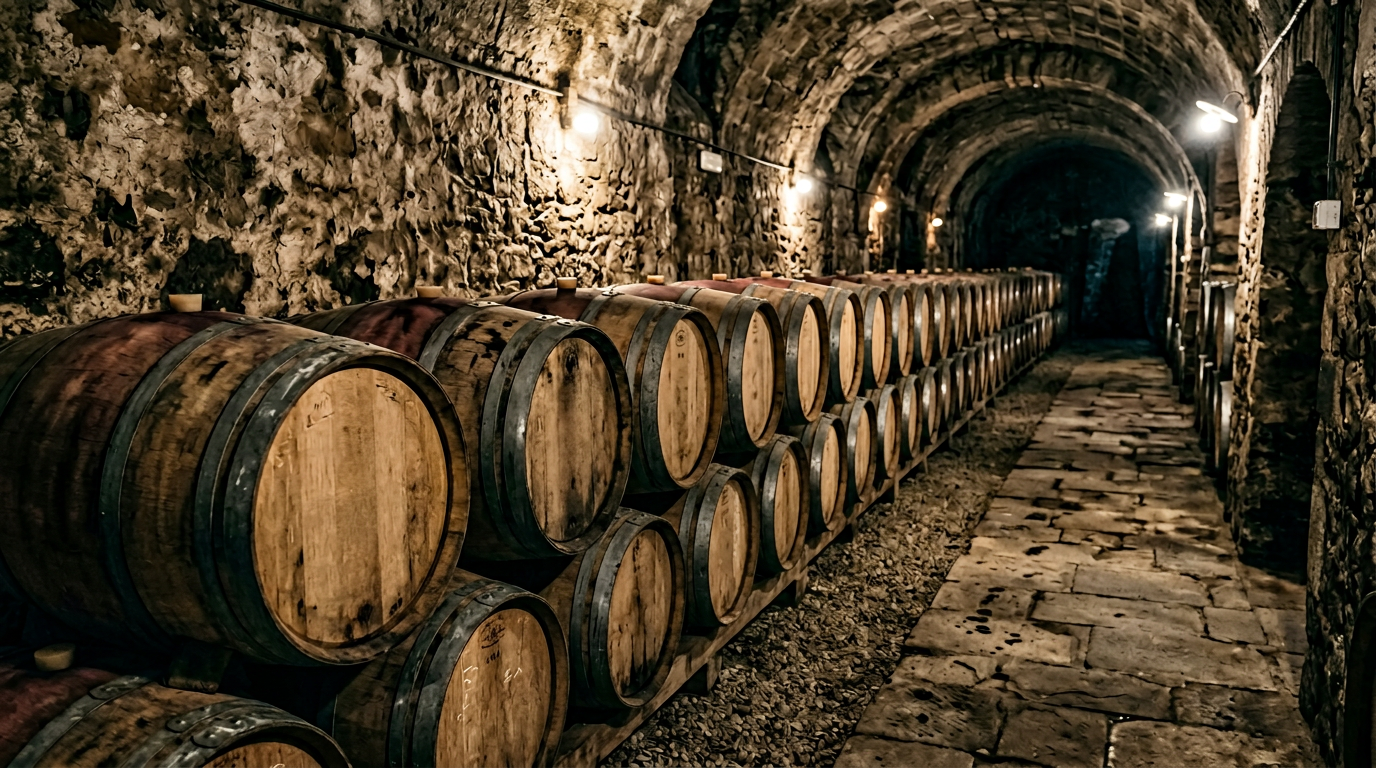
Chianti Classico wineries: how to plan a visit
The Chianti Classico wine zone is one of the most famous wine regions in the world. It covers the hills between Florence and Siena, a territory of about 72,000 hectares. Within that area, about 7,200 hectares are planted with the vines that produce Chianti Classico.
For visitors based in the Val d’Elsa near Barberino Val d’Elsa, this is not a distant wine region requiring a full day of driving. The Chianti Classico zone begins right at the edge of the valley. Several excellent estates are 15 to 20 minutes from Barberino by car.
Chianti Classico: how to visit
Visiting Chianti Classico wineries requires some planning. The best estates are booked in advance, especially in summer. But not all require advance reservation. Some smaller producers welcome walk-in visitors, particularly outside the high season.
The most practical approach is to contact two or three wineries in advance for a morning tasting and leave the afternoon free for driving the roads between estates, stopping spontaneously at those that indicate they accept walk-ins.
A good tasting typically includes three to four wines, a tour of the cellar, and an explanation of the vineyard and production philosophy. This takes about 60 to 90 minutes. Add travel time between estates and lunch, and a full winery day fills six to seven hours easily.
Most tastings in the Chianti Classico zone cost between 15 and 40 euros per person, depending on the estate and the wines poured. Larger estates with purpose-built tasting rooms charge more. Small family producers often charge less, or nothing, for a simple tasting.
Wineries not to miss
The Chianti Classico zone has over 500 producers. These are some of the most interesting and visitor-friendly estates within 30 minutes of Barberino Val d’Elsa.
Castello di Ama, near Gaiole in Chianti, is one of the most consistently excellent estates in the zone. It also hosts a significant collection of contemporary art, integrated into the winery buildings. Tours take in both the cellar and the art. Visits by appointment, around 30 euros.
Fontodi, in Panzano in Chianti, produces Chianti Classico Gran Selezione that is considered among the finest in the zone. The estate has a long history of quality and biodynamic farming. Visits by appointment, around 25 to 35 euros.
Isole e Olena, between Barberino Val d’Elsa and Tavarnelle, is one of the closest top-quality estates to Sogno d’Oro. The wines are elegant and long-lived. Visits by appointment.
Badia a Coltibuono, near Gaiole, is one of the historic estates in Chianti. The winery occupies a former Benedictine abbey and produces wines with a classical profile. It also has a good restaurant. Visits by appointment.
For a smaller, more personal experience, look at producers in the San Donato in Poggio area around Barberino. Several family estates here produce good Chianti Classico at accessible prices and welcome visitors informally.
How to taste Chianti
A proper tasting of Chianti Classico involves visual examination, swirling to release aromas, sniffing carefully, and then tasting. A standard Chianti Classico glass is a Bordeaux-style shape that concentrates the aromas.
Chianti Classico is made primarily from Sangiovese, a grape with high acidity, firm tannins, and aromas of sour cherry, dried herbs, and leather. The wine needs food or age to show its best. Tasting it alone, without food, gives a limited picture.
When tasting a range of wines, start with the youngest and lightest and work up to the most structured. Annata (standard vintage) wines are first, Riserva second, Gran Selezione last.
Ask the producer about the vintage. Recent good years in Chianti Classico include 2015, 2016, 2019, and 2020. Each year has a different character, and understanding this helps you choose what to buy.
If you want to bring bottles home, ask about shipping. Some producers ship internationally. Alternatively, most wine shops in the Chianti zone will advise on how to transport bottles safely in luggage.
The denominations and wines
The Chianti Classico DOCG has three quality levels.
Chianti Classico (Annata) is the base level. It requires a minimum of 12 months of aging. Prices range from 15 to 30 euros.
Chianti Classico Riserva requires at least 24 months of aging and higher minimum alcohol. It tends to be more structured and complex. Prices range from 20 to 50 euros.
Chianti Classico Gran Selezione was introduced in 2014 as the top level. It requires at least 30 months of aging and must come from a single vineyard or a specific selection of grapes. Prices range from 30 to over 100 euros for top estates.
All Chianti Classico must contain at least 80 percent Sangiovese. Up to 20 percent can be other approved varieties, including Canaiolo, Colorino, and international varieties like Merlot and Cabernet Sauvignon.
The Gallo Nero (Black Rooster) is the symbol of the Chianti Classico Consortium. You will see it on the neck label of every bottle of genuine Chianti Classico. The rooster has been the symbol of the Chianti Classico territory since the medieval period.
Rosso is not a Chianti Classico denomination. Wines labelled simply Rosso from estates in the zone are often made with different grape selections or different aging methods. They can be excellent value.
How to plan a day among the wineries
A practical one-day winery itinerary from Barberino Val d’Elsa might look like this.
Morning: visit a winery near Barberino or Tavarnelle for a 10:00 tasting. This is the most focused part of the day, with a cellar tour and guided tasting.
Midday: drive to Panzano in Chianti for lunch. The village has several good restaurants and a butcher shop famous for its bistecca. Dario Cecchini’s Solociccia restaurant in Panzano serves a fixed-price meat lunch for around 30 euros.
Afternoon: drive south towards Greve in Chianti or Radda in Chianti. Stop at a second winery for an informal tasting, or visit the Enoteca del Chianti Classico in Greve to compare bottles from multiple producers.
Late afternoon: drive back to Barberino through the Chianti countryside on the SR222, the main road through the zone. The late afternoon light on the vineyards is exceptional in every season.
Where to stay
Sogno d’Oro is located near Barberino Val d’Elsa, right at the western edge of the Chianti Classico zone. From the guesthouse, the heart of the wine territory is 15 to 20 minutes by car.
You do not need to plan a long drive to reach excellent Chianti Classico estates. Several of the most interesting producers are your immediate neighbours.