Chianti Classico Wineries: How to Plan Your Visit
Organising a visit to the Chianti Classico wineries is one of the most complete experiences that Tuscany can offer. It is not simply about drinking wine: it is a journey through the hilly landscapes between Florence and Siena, through centuries of winemaking tradition, families of producers who safeguard ancient knowledge, and vineyards that change colour with the seasons. The Chianti Classico is one of the most fascinating and recognisable wine territories in the world, and visiting it directly in the wineries is the best way to truly understand it.
Chianti Classico: the territory, its history and the Black Rooster symbol
The Chianti Classico is a DOCG designation that identifies a specific area between the provinces of Florence and Siena. Not all Chianti is Classico: the original “classic” zone includes the municipalities of Greve in Chianti, Panzano, Radda in Chianti, Gaiole in Chianti, Castelnuovo Berardenga and part of Barberino Tavarnelle, which includes the Barberino Val d’Elsa area.
The symbol of the Chianti Classico is the Gallo Nero - the Black Rooster - an image dating back to the Middle Ages. According to legend, Florence and Siena decided to settle a border dispute with a race: two horsemen would set off at cockcrow, one from each city, and the border would be fixed at the point where they met. The Florentines chose a black rooster and kept it hungry: on the morning of the race, the famished bird crowed well before dawn, the Florentine rider set off early and gained ground. Today the Gallo Nero is a mark of quality and recognition for the entire Chianti Classico.
The main grape variety is Sangiovese, which here takes the local name of Sangioveto. The wine can be produced in a base version, Riserva (minimum ageing of 24 months) and Gran Selezione (minimum ageing of 30 months, from selected vineyards).
How to organise a winery visit
Visiting Chianti Classico wineries requires a minimum of planning. Most producers do not accept walk-in visitors: you need to book, often a few days in advance.
Direct booking: the most straightforward method is to contact the winery by email or phone. The Consorzio del Chianti Classico website (chianticlassico.com) lists all member producers with their contacts and the types of visit on offer. Many wineries also indicate whether they offer tours in Italian, English or other languages.
Booking platforms: platforms such as Viator, GetYourGuide, Civitatis and Wine Tours in Tuscany aggregate producer offerings and allow you to compare prices and visit types. Some offer organised tours that include transport - useful for those who do not want to drive after tastings.
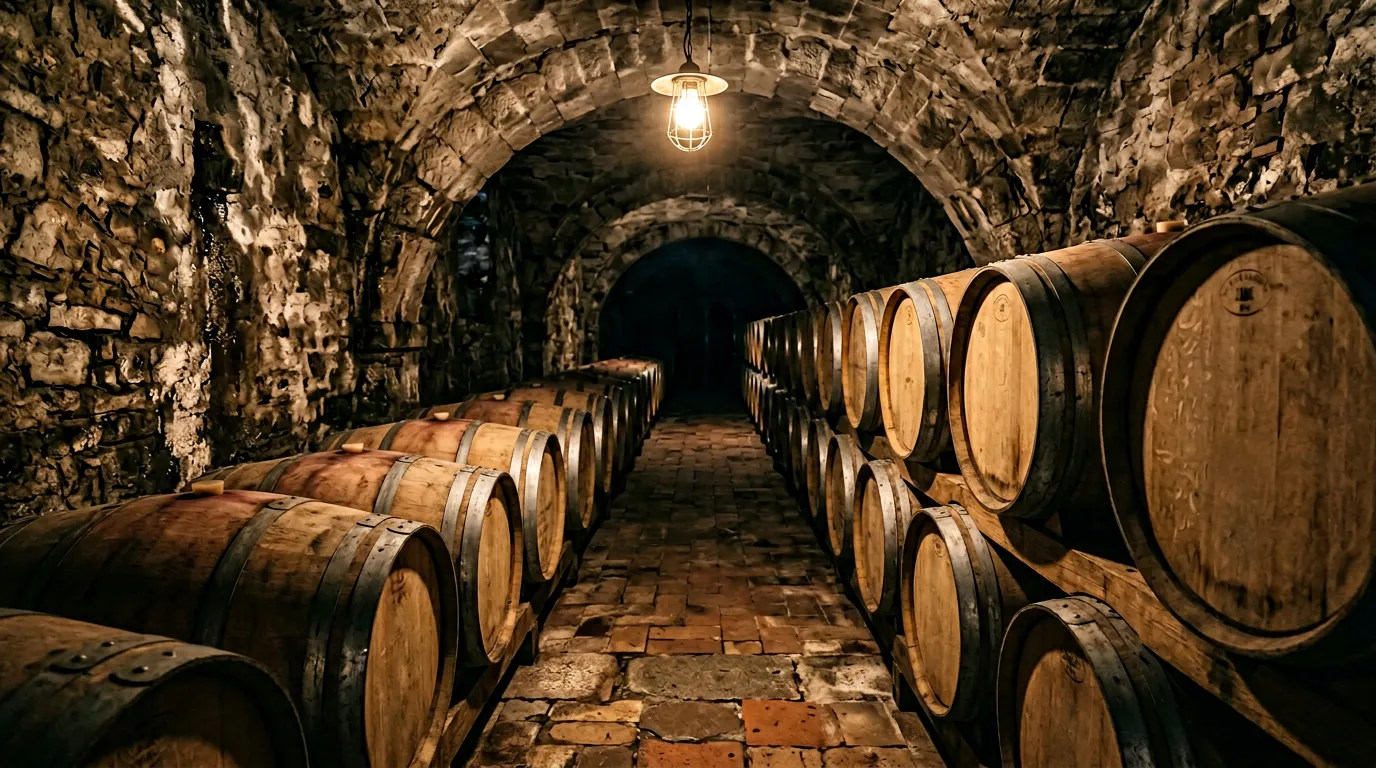
What to expect: a typical visit lasts between one and two hours. It includes a tour of the winery, a visit to the barrels and vineyards, and a tasting of two or three wines accompanied by local products such as Tuscan bread, extra-virgin olive oil and pecorino. The cost varies from €20 to €50 per person, with premium options that can reach €100 for more elaborate tastings.
Wineries to visit in the Chianti Classico
The territory offers producers of every size, from large historic estates to small family-run farms.
Castello di Brolio (Gaiole in Chianti): the most famous winery in the Chianti Classico. Baron Bettino Ricasoli, who in the nineteenth century perfected the original Chianti recipe here, was also Prime Minister of the young Kingdom of Italy. The castle is open to visitors, the panorama is extraordinary and the wines are among the most awarded in the denomination.
Antinori nel Chianti Classico (Bargino): the Antinori family estate is a masterpiece of contemporary architecture set into the landscape. The winery is carved into the hillside and is visited along a route that culminates in a panoramic terrace overlooking the vineyards. The Tignanello and Solaia wines are icons of Italian winemaking.
Fontodi (Panzano in Chianti): a certified organic winery and one of the finest expressions of pure Sangiovese. The visit includes the Conca d’Oro vineyards, one of the most beautiful natural amphitheatres in the Chianti.
Badia a Passignano: an estate backed by a twelfth-century Benedictine abbey. The visit combines history, architecture and wine in a unique experience.
The Chianti Classico Wine Road
The Strada del Vino Chianti Classico is an official itinerary linking the producers, historic villages and scenic viewpoints of the territory. It is not a single road but a network of secondary routes that cross the heart of the Chianti, passing through Greve, Panzano, Radda, Gaiole and Castelnuovo Berardenga.
Driving it is a feast for the eyes: the vines in summer are a carpet of brilliant green; in autumn they blaze with reds and oranges before the harvest; in winter the bare hills reveal the structure of the landscape with a clarity that the other seasons conceal.
Along the way there are numerous wine shops, artisan food stores, farm stays and restaurants where you can stop. The gastronomy of the Chianti pairs perfectly with the wine: Florentine T-bone steak, pici with ragù, Colonnata lard, Pienza pecorino are all excellences easily found in the village restaurants.
Harvest season and the best times to visit
Autumn is the prime season for those who want to visit the Chianti Classico wineries. The harvest generally takes place between the end of September and the first half of October, when the vineyards are heavy with grapes and the air smells of fermenting must. Many wineries offer harvest participation experiences during this period: picking grapes by hand, bringing them to the cellar, watching the beginning of the transformation into wine.
Spring is the second recommended period: the vines bud, the colours of the countryside are vivid, and wineries often organise events around the presentation of new vintages. The Chianti Classico Collection, usually in February, is the major trade presentation event, but the entire spring period is animated by special openings and themed tastings.
Summer is popular but hot: morning visits are the most pleasant, and many wineries offer outdoor tastings in shaded spaces or in the cool of the cellar.
Where to stay
Homelink Sogno d’Oro is located in Barberino Val d’Elsa, just 20 minutes by car from the main Chianti Classico wineries. The location is ideal for those who want to spend one or two days dedicated to winery visits: you can set off in the morning, visit two or three producers, have lunch at a village trattoria, and return in the late afternoon among the hills of the Val d’Elsa - without worrying about driving long distances after the tastings.
Related property: Homelink Sogno d’Oro Link: /sogno-doro/
Where to stay
Dove dormire: Homelink Sogno d'Oro - Val d'Elsa · tra Firenze e Siena
Controlla la disponibilità