Things to Do in the Maremma: A Complete Guide
The Tuscan Maremma is one of the most complete and least exploited destinations in Italy. Knowing what to do in the Tuscan Maremma can seem complicated precisely because the offer is so vast: wild beaches, medieval villages, nature parks, ancient hot springs, outstanding gastronomy and an interior that preserves traces of Etruscan civilisation. This guide collects the finest experiences, season by season, to help you plan a truly unforgettable trip.
The Maremma occupies the southern part of Tuscany, in the province of Grosseto. It is a land that for centuries has remained on the margins of the main tourist circuits, which has preserved its authenticity. Today it is increasingly appreciated by those seeking a genuine alternative to overcrowded destinations.
Things to do in the Tuscan Maremma: sea and beaches
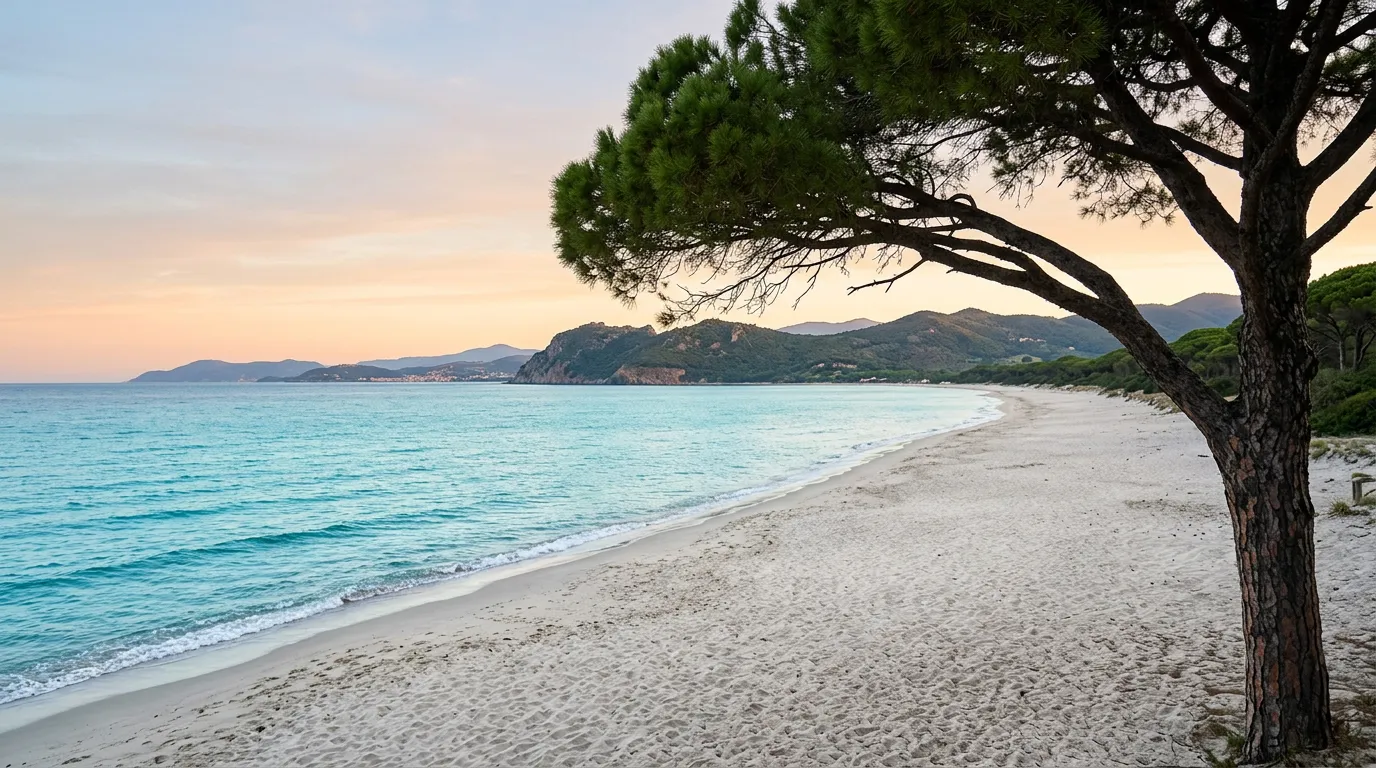
The Maremma coastline extends for over 200 kilometres, from Follonica to Capalbio, offering an extraordinary variety of coastal environments.
The Maremma Park (Uccellina)
The Maremma Regional Park, also known as the Uccellina Park, is one of Tuscany’s natural jewels. The beaches accessible only on foot through forest paths are among the wildest and most unspoiled in Italy. The park hosts a rich array of wildlife: wild boar, fallow deer, foxes, herons, buzzards and, in the marine waters offshore, dolphins. Access to the beaches requires departing from the Alberese or Talamone car parks and walking several kilometres, but the experience more than repays the effort.
The Orbetello lagoon and the tombolo
The Orbetello lagoon is a unique ecosystem. Two tongues of sand, the Feniglia and the Giannella, separate it from the Tyrrhenian Sea and create a lagoon environment teeming with life. The Feniglia is a nature reserve with a centuries-old pine forest: no cars are allowed and it is travelled on foot or by bicycle until you reach a spectacular beach. The Giannella is better equipped and suitable for families. Between the two tombolo lies the town of Orbetello, with its historic centre overlooking the water.
Monte Argentario
The Monte Argentario promontory is connected to the mainland by the two tombolo. Porto Ercole and Porto Santo Stefano are the two most characterful fishing villages on the entire Tuscan coast. The Argentario beaches are partly wild, reachable only by sea or with demanding footpaths, and partly accessible with beach establishments. The sea is crystal clear, with rocky seabeds ideal for snorkelling and diving.
Medieval villages and Etruscan history
The inland Maremma is dotted with villages that seem suspended in time. Visiting them is one of the most rewarding activities in this region.
Magliano in Toscana preserves its almost-intact medieval walls and a surrounding countryside planted with olive trees and vines. Capalbio, with the Aldobrandeschi Tower and cobbled alleys, is a classic not to be missed. Pitigliano, built on a tuff cliff, is among the most photographed villages in Italy. Sovana and Sorano complete the “tuff triangle” with their Etruscan necropolises and the vie cave - natural corridors carved into millennia-old rock.
Hot springs and wellness: the waters of Saturnia
The Terme di Saturnia are perhaps the most famous thing to do in the Tuscan Maremma. The thermal water emerges naturally at 37.5 degrees and forms the Mulino waterfalls, freely accessible all year round. The landscape is evocative: natural basins of white travertine, steam over the water, green hills all around. Nearby is also the paid thermal centre with pools, treatments and spa services.
Other thermal baths in the area include the Terme di Sorano and the Terme di Semproniano, less well known but equally pleasant and almost always less crowded.
Trekking, cycling and outdoor activities
The Maremma is a paradise for lovers of the outdoors.
The Uccellina Park offers several trails of varying difficulty, from flat routes through the pine forest to hill routes with views of the sea. Trail A1 (Torri dell’Uccellina) is the most panoramic and requires about 4–5 hours. The Via Aurelia Antica, a cycling route, follows the route of the ancient Roman consular road and passes through landscapes of great evocativeness.
For horse-trekking enthusiasts, the Maremma is the home of the butteri, the Tuscan cowboys. Several farm holiday businesses offer horse-riding excursions in the park and the countryside, including for beginners.
Maremma gastronomy
The cuisine of the Maremma is simple, genuine and deeply rooted in the territory. Wild boar, prepared as a stew or alla cacciatora, is the emblematic dish. Pici, hand-rolled fresh pasta, are served with wild boar, hare, duck or simply with garlic and breadcrumbs. Acquacotta is the shepherds’ soup, with seasonal vegetables, bread and egg. Morellino di Scansano is the local DOC red wine, intense and fragrant.
The weekly markets of the villages, summer festivals and autumn fairs are the best places to make direct contact with local gastronomy.
Seasonal tips: when to go to the Maremma
Spring (April–June): The best period for the villages, parks and thermal baths. The landscapes are green and blooming, temperatures are mild, and the summer crowds are avoided. The sea begins to warm towards the end of May.
Summer (July–August): The beach season. The shores are busy but the wild coastlines always offer space. The heat is intense inland, so it is better to visit the villages in the early morning or after 5pm.
Autumn (September–October): A magical season for gastronomy (mushrooms, harvest, hunting). The thermal baths are delightful with cool air. The sea remains warm until October.
Winter (November–March): The Maremma out of season is almost deserted. The villages are wonderfully silent, the landscapes evocative, the thermal baths almost queue-free. It is the best period for those seeking authenticity and rest.
Where to stay
Tramonto Dorato in Montiano is in the heart of the Tuscan Maremma: the position is ideal for exploring both the coast and the hinterland. From the panoramic portico you enjoy a spectacular view over Orbetello and Monte Argentario. Talamone is 15 minutes away, Capalbio 20 minutes, Orbetello 25 minutes and the Terme di Saturnia 45 minutes. A perfect base for discovering everything this extraordinary land has to offer.
Related property: Homelink Argentario · Tramonto Dorato Link: /tramonto-dorato/
Where to stay
Dove dormire: Homelink Argentario · Tramonto Dorato - Maremma Toscana · Grosseto
Controlla la disponibilità